Our 2026 edition of Strata InFocus is now live! Download your copy here.

BM: It Doesn't Stand For Bin Mover
Building management has come a long way in recent years, particularly in Canberra’s growing strata environment. While industry insiders often joke that “BM” once stood for “Bin Mover”, the truth behind the joke reveals just how dramatically the role of a Building Manager has evolved.
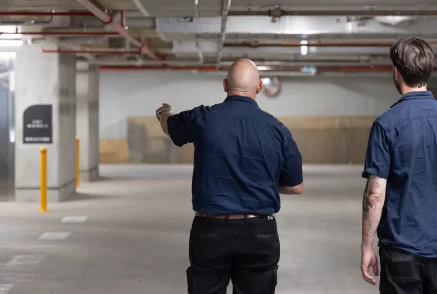
Not too long ago, the role of a Building Manager was viewed through a very narrow lens, with the role often being viewed more closely to that of a caretaker. Today, building management represents a specialised discipline focused on asset performance, resident experience, and operational efficiency.
Sign of the Times
Only a few years ago, Canberra’s strata buildings were relatively simple in design and operation. Amenities were limited, system integrations were basic, and the volume of shared services was modest. Consequently, the responsibilities assigned to Building Managers were equally straightforward.
In addition to tending to external areas and performing minor maintenance tasks, one of the primary tasks entrusted to the Building Manager was the movement of waste throughout the property. This model aligned with the needs of the time: uncomplicated buildings requiring reactive support, rather than structured management.
Evolving Assets and Complexity
Today’s buildings tell a very different story, with modern strata developments more often incorporating:
- Sophisticated infrastructure
- Multiple amenity spaces
- Integrated technology
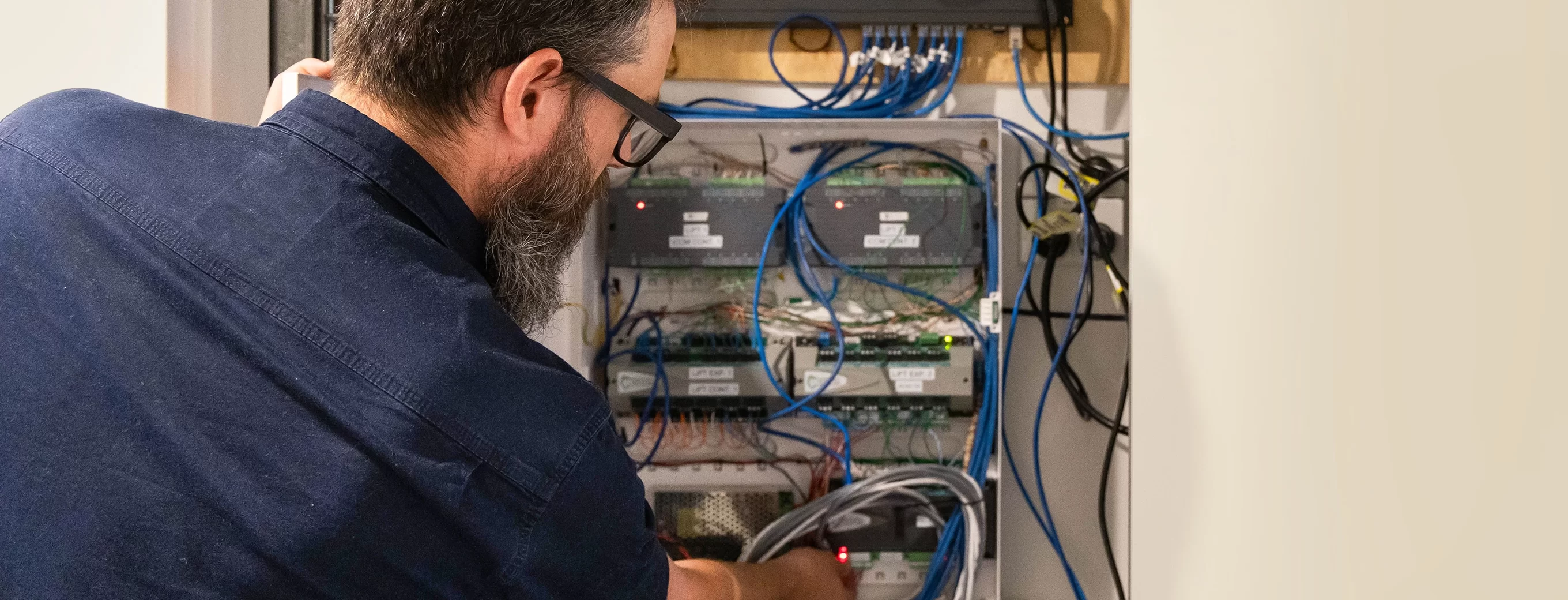
- Broader ranges of mechanical, electrical and essential systems
The operational requirements have expanded accordingly.
Increased Expectation
In this environment, the skillset needed for effective building management extends far beyond the physical relocation of bins.
Traditional waste handling duties can consume 10–20 hours per week in larger buildings, so allocating this time to such a low-complexity task reduces a Building Manager’s capacity to perform the strategic and preventative work that delivers the greatest value to owners.
More Appropriate Task Allocation
Recognising that waste management is essential, it does not require the expertise of a Building Manager. Integrating bin movement into cleaning service contracts delivers operational efficiency while ensuring the task is completed reliably.
In many cases, it also optimises resourcing by reducing unnecessary onsite hours and aligning services more closely with the actual needs of the development.
Modern developments demand coordinated oversight, technical understanding, and a focus on long-term asset performance. By assigning routine waste duties to dedicated cleaning providers, Building Managers are free to concentrate on the work that directly supports building longevity and community value. This shift not only reflects the complexity of today’s environment, but also ensures the right expertise is applied where it has the greatest impact.

Tarnee Lamb
Business Development Manager