The Difference Between Maintenance, Repair and Replacement
The terms maintenance, repair and replacement are often used interchangeably, but they each play a distinct role in building management. Understanding the difference can help committees make better decisions, plan budgets more effectively and ensure building assets continue to perform as intended throughout their lifecycle.
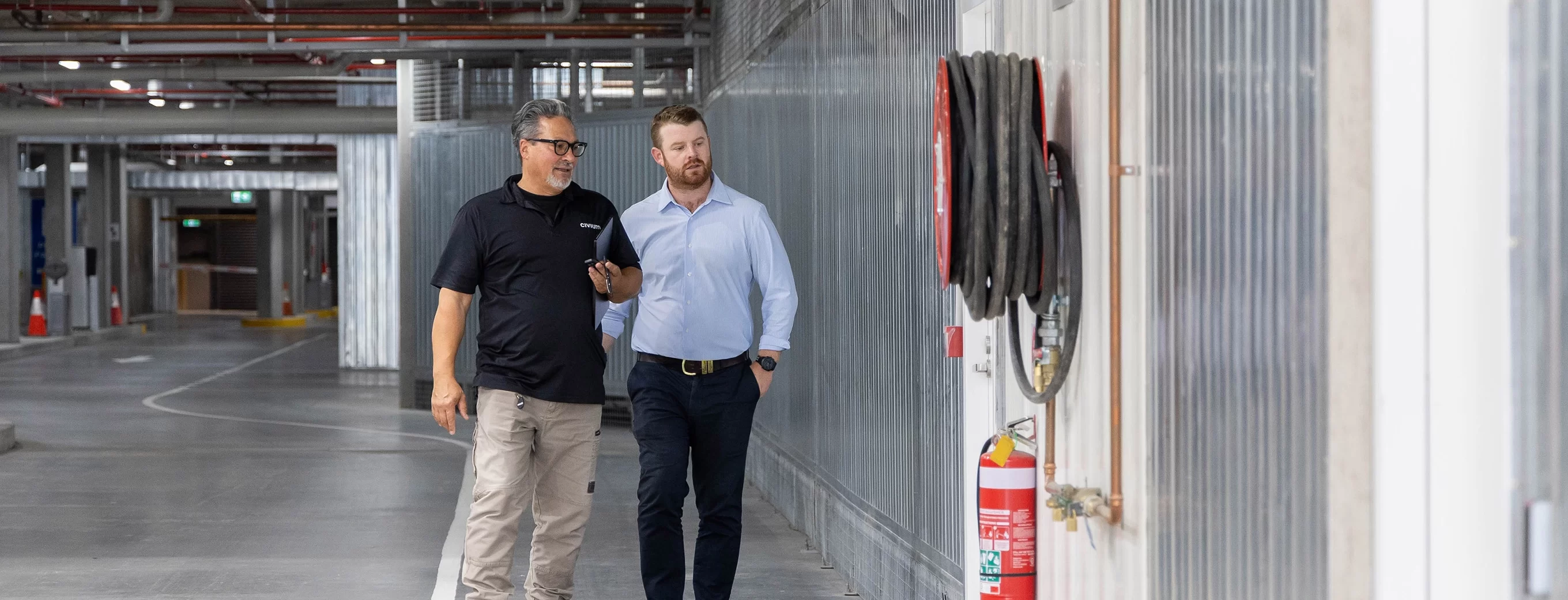
Managing a building involves a range of activities that help protect assets and keep essential services running smoothly. However, not all works are the same. Maintenance, repair and replacement each serve a different purpose and understanding these differences is key to effective facilities management. Knowing when an asset should be maintained, repaired or replaced can help committees reduce costs, minimise disruption and make more informed long-term decisions.
Maintenance: Preserving Asset Performance
Maintenance refers to the routine activities carried out to keep an asset operating efficiently and safely. These tasks are typically planned and performed on a regular schedule.
Examples include lift servicing, fire system testing, air conditioning maintenance and cleaning roof gutters. The goal of maintenance is to maximise asset life, reduce the likelihood of failure and identify issues before they become more serious.
Repair: Restoring an Asset to Working Order
Repairs are undertaken when an asset has been damaged, deteriorated or stopped functioning as intended. Unlike maintenance, repairs are often reactive and address a specific problem.
This may include fixing a leaking pipe, replacing a damaged access control component or repairing faulty lighting. While repairs can restore functionality, they do not necessarily address the age or overall condition of the asset itself.
Replacement: Changing an Asset at the End of Its Lifecycle
Replacement involves replacing an asset that has reached the end of its useful life. In many cases, ongoing maintenance and repairs can only extend an asset’s lifespan for a limited period before replacement becomes the most practical and cost-effective option.
Examples include replacing lifts, upgrading ageing pumps or installing a new waterproofing system. Replacement projects are typically larger investments that require long term planning and budgeting.
Why the Difference Matters
A building that relies solely on repairs may experience increasing costs as assets age. Conversely, a proactive approach that combines regular maintenance with planned replacement can improve reliability, reduce risk and provide greater financial certainty over time.
When these actions are clearly understood, committees can make better decisions about how funds are allocated and where effort should be focused.
The most successful buildings are those that balance all three as part of a clear and proactive asset management strategy.

Alex Boundy
General Manager - Facilities