Our 2026 edition of Strata InFocus is now live! Download your copy here.

Problem Parking: Intentional or Accidental?
While some residents knowingly disregard parking restrictions, many disputes occur simply because people don’t realise they’re parking incorrectly. Most parking issues can be prevented by combining clear rules, clear signage, and clear markings.
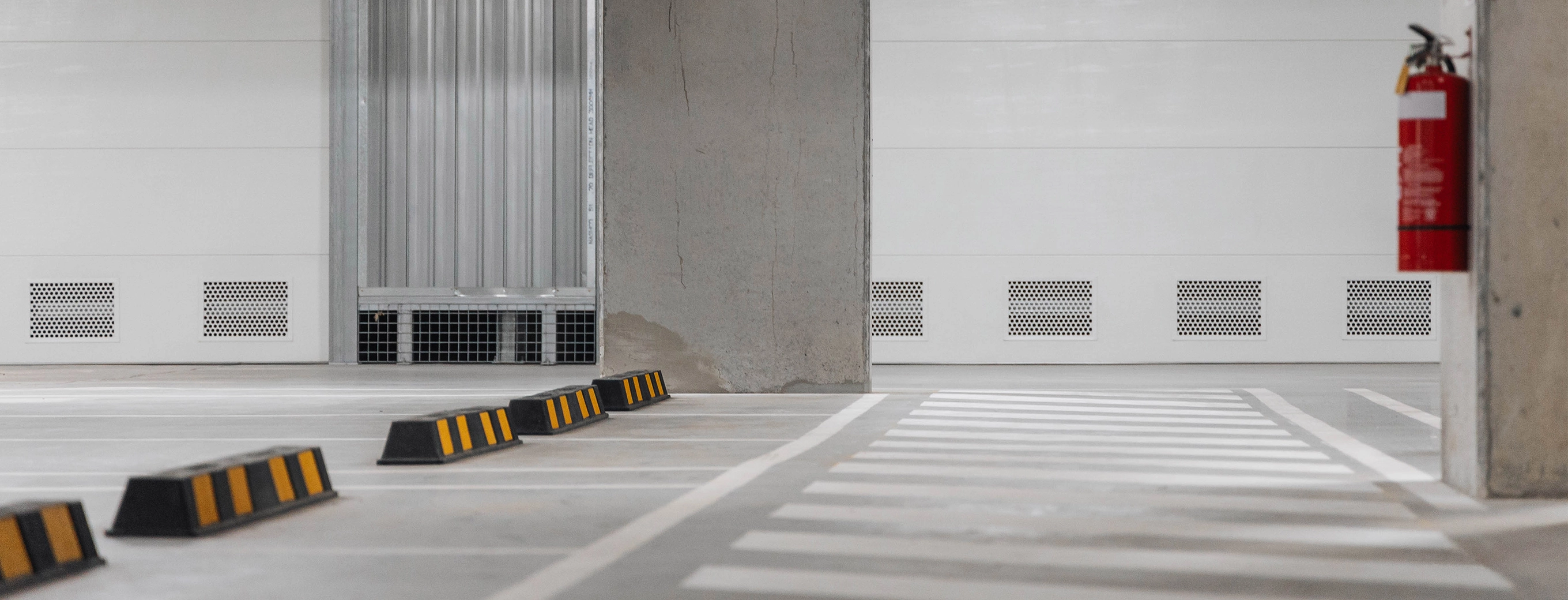
We recently outlined the steps committees can take to resolve common property parking disputes, but sometimes people aren’t aware they are breaking the rules. Clear information, visible signage, and well‑maintained common property markings all play a major role in reducing misunderstandings and helping committees respond fairly.
Here’s the main things to consider:
Clear Bylaws and House Rules
Accidental parking breaches often arise when residents don’t have access to clear, current bylaws and house rules. In particular, new residents may not understand which spaces are allocated, how visitor parking works, or what restrictions apply.
When expectations are easy to find and understand, it becomes much clearer whether someone has made a genuine mistake or is simply choosing not to follow the rules.
Effective Parking Signage
Signage plays a critical role in preventing misunderstandings. Missing, outdated, or poorly positioned signs can leave people guessing about allocation, visitor limits, loading zones, or disabled parking.
Signage should be consistent, visible, and easy to understand. This also goes a long way in supporting enforcement, helping demonstrate that restrictions have been clearly communicated.
Line Marking and Space Identification
Worn‑out line markings, faded numbers, or inconsistently labelled bays can lead residents to park in the wrong spot without realising it.
Committees should consider having lines and numbers repainted when necessary to ensure space allocation is unmistakable.
These simple tasks often resolve long‑running disputes by eliminating the ambiguity that causes accidental misuse. When residents understand exactly where to park and what restrictions apply, genuine mistakes decline, and committees can more fairly and confidently address those who choose to ignore the rules.
As your Strata Management team, we can help you navigate maintenance, reduce misunderstandings, and create a smoother parking experience for all residents.